There is a version of a Google Business Profile that almost every local USA business has. Claimed. Partially filled out. A few photos were uploaded at some point. Maybe some reviews sitting there with no responses. Hours that may or may not still be accurate. And then the business owner wonders why competitors keep showing up above them in Google Maps results for searches that should be sending customers their way. The profile exists. The optimization does not. And in 2026 that gap is wider and more expensive than it has ever been because more people than ever are making purchase decisions directly from Google search results without ever visiting a website. The local business listing has become the front door for a huge percentage of customer interactions and most businesses are leaving that front door looking neglected while wondering why foot traffic or enquiries are not where they should be.
Google Business Profile optimization is not complicated once you understand what Google is actually evaluating. It is time consuming to do properly and it requires ongoing attention rather than a one time setup. But the principles are straightforward and the businesses applying them consistently are the ones showing up at the top of local results while competitors sit below them wondering what they are doing differently. This guide covers what actually works in 2026.
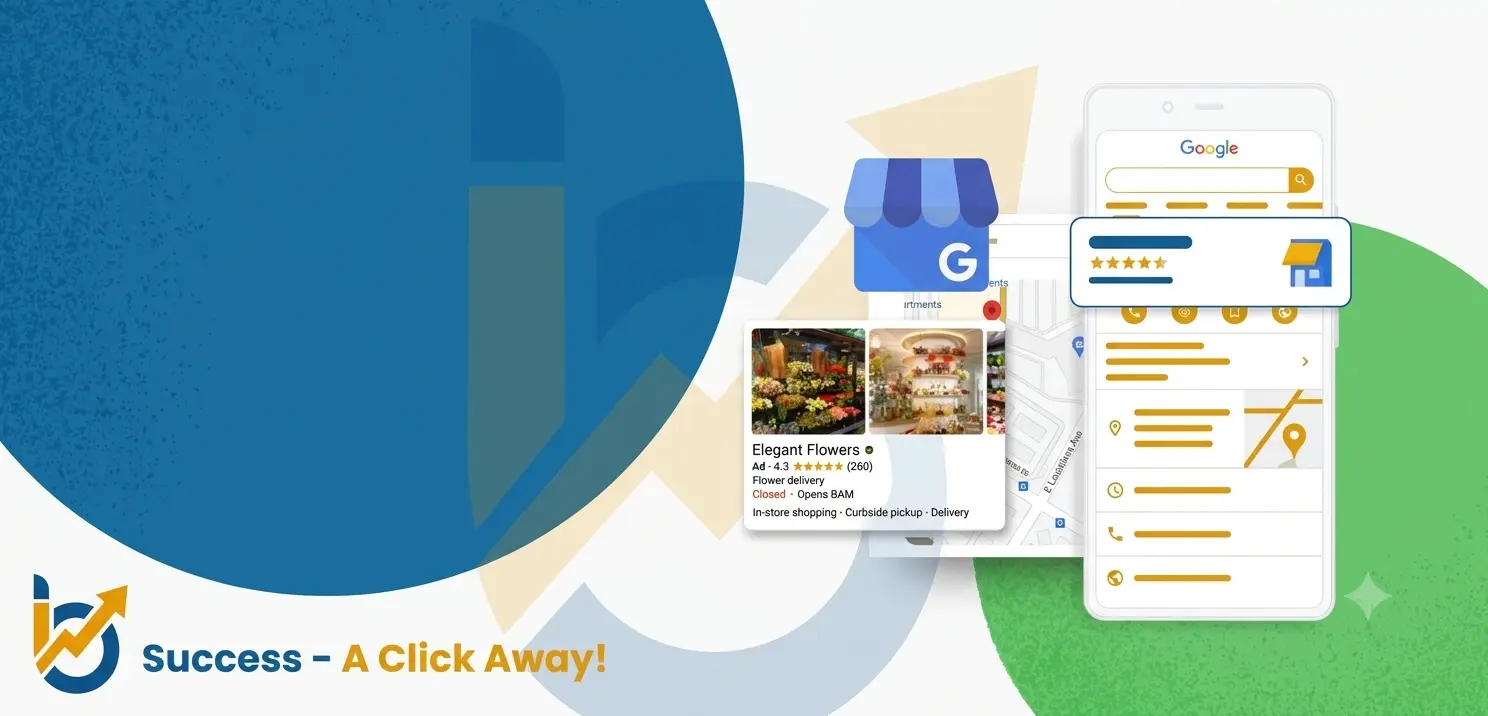
The search experience has changed in ways that put the local business listing at the center of how customers find and evaluate businesses before making contact. Featured snippets. AI overviews. Local packs appearing above organic results. The result is that for many local searches in the USA a potential customer can find your business name, read your reviews, check your hours, look at your photos, get directions and call you without ever visiting your website. That is the entire customer journey happening inside Google and the businesses whose profiles are properly optimized are capturing those customers while businesses with neglected profiles get passed over before the website ever becomes relevant.
Google Maps ranking has become a primary customer acquisition channel for local USA businesses in categories including healthcare, legal services, home improvement, restaurants, retail, fitness and dozens of others. Being in the top three results in the local pack drives a disproportionate share of the clicks and calls. Being below position three means most searchers never see the business at all regardless of how good the website is or how long the business has been operating.
Understanding how Google decides who ranks locally is the foundation everything else builds on. Relevance is first. Does the business profile match what the person is searching for. A plumber showing up for plumbing searches is a relevance match. The same plumber showing up for HVAC searches is a mismatch and Google will not rank it there regardless of how complete the profile is. Distance is second. How close is the business to the searcher or to the location mentioned in the search. This is partially outside anyone's control but stronger signals in the other factors compensate for distance disadvantage in competitive markets. Prominence is third and it is the most manageable of the three. How well known and trustworthy does Google perceive the business to be based on everything available across the web. Reviews, citations, website authority, profile completeness and activity all feed into prominence. This is where Google Business Profile optimization produces the most direct ranking impact.
GMB Optimization Tips That Actually Move Rankings
Get Every Section of the Profile Properly Completed
Incomplete profiles rank worse than complete ones. That is not speculation. It is how Google weights profile quality as a prominence signal. Business name matching exactly how the business is registered and how it appears everywhere else online. Category selection that is as specific as possible rather than a broad generic option. Business description that incorporates primary service keywords naturally within an accurate description of what the business does and what makes it worth contacting. Hours that are actually current including special hours for holidays and events. Website URL. Phone number. Service areas for businesses that go to the customer rather than having customers come to a physical location.
The attributes section gets ignored by most businesses and it contains genuinely useful signals. Women owned. Veteran owned. Wheelchair accessible. Online appointments available. Each attribute that applies and gets checked adds specificity that helps Google match the profile to relevant searches from customers who filter for those characteristics.
Businesses with more photos on their Google Business Profile consistently outperform those with few or none in Google Maps ranking studies. This is not a coincidence. Photo activity signals to Google that the business is active and legitimate. The type of photos matters too. Exterior photos so customers recognize the location when they arrive. Interior photos that give a sense of the environment. Team photos that put real faces to the business name. Product or service photos that show what customers are actually getting. And photos updated regularly rather than a batch uploaded once and left static for two years.
The cover photo and logo should be high quality and on brand. They appear prominently in search results and in the knowledge panel. A blurry or low resolution cover photo makes a bad first impression before the customer has read a single word of the listing.
Reviews are simultaneously a Google Maps ranking signal and the primary trust factor that determines whether someone who finds the profile actually contacts the business. Volume matters. Recency matters. Rating matters. And response behavior matters. All four of these are factors Google weighs when evaluating prominence for local ranking.
Getting more Google reviews consistently requires making the request frictionless for satisfied customers. A direct link to the review page sent immediately after a positive customer interaction converts far better than a general request to leave a review that requires the customer to find the profile independently. For service businesses this means a follow up text or email with the direct review link sent the same day the service was completed. For retail it means a receipt email with the review link included. For healthcare and professional services it means a brief follow up message that makes the path to leaving feedback as short as possible.
Responding to every review matters more than most business owners realize. Google treats owner response activity as an engagement signal. Responding to positive reviews with genuine specific acknowledgment rather than a generic thank you tells both Google and future readers that real people are behind the business and they pay attention. Responding to negative reviews professionally and constructively rather than defensively demonstrates the kind of customer commitment that actually influences whether a hesitant prospect decides to make contact.
Asking for reviews is legitimate. Incentivizing reviews or posting fake ones is a violation of Google's terms that can result in profile suspension. The distinction is important and the enforcement has gotten more consistent as Google has improved its detection of review manipulation.
Google Posts are short updates published directly to the Business Profile that appear in the knowledge panel. Most local USA businesses never use them. That is a competitive opportunity. Businesses posting regularly signal to Google that the profile is actively managed which feeds positively into prominence scoring. Posts can announce promotions, highlight new services, share news, promote events or answer frequently asked questions.
The lifespan of a Google Post is roughly seven days before it stops appearing prominently. That means posting at minimum weekly for businesses that want to maintain the activity signal consistently. The content does not need to be elaborate. A short update with a photo and a call to action is sufficient. The consistency matters more than the production quality of individual posts.
A citation is any mention of the business name, address and phone number on a website other than the business itself. The consistency of this information across directories, review platforms and other websites is a local ranking signal because inconsistency suggests to Google that the business information cannot be reliably verified. Name spelled differently on Yelp than on the Google Business Profile. Address formatted differently on Facebook than on the local chamber of commerce listing. The old phone number still appears in a directory that was not updated when the number changed.
These inconsistencies accumulate over time especially for businesses that have moved locations, changed phone numbers or adjusted their trading name. Auditing and correcting citation consistency across major USA directories is not exciting work but it removes a signal that is quietly working against local ranking. The most important directories for most USA local businesses include Yelp, Facebook, the Better Business Bureau, Bing Places and industry specific directories relevant to the business category.
Google Business Profile optimization does not operate in isolation from the website. The two reinforce each other when they are aligned and undermine each other when they are inconsistent. The name, address and phone number on the website should match exactly what appears on the Business Profile. Location pages on the website with genuine locally relevant content support the geographic relevance signals the profile sends. Reviews mentioning specific services or locations give Google additional context about what the business actually does and where it operates.
Website authority from quality backlinks improves the prominence signals that feed into local ranking. A business with a stronger website domain authority ranks better locally than one with an identical Business Profile but a weaker website. The local SEO picture is always the full picture rather than the profile in isolation.
Google Business Profile optimization in 2026 is not a one time setup task. It is ongoing active management of the primary channel through which local USA customers find and evaluate businesses before making contact. Completing every profile section properly. Adding photos consistently. Getting more Google reviews and responding to all of them. Publishing Google Posts regularly. Maintaining citation consistency across the web. Aligning the website and the profile so they reinforce each other. Each of these activities contributes to the Google Maps ranking that determines whether local customers find the business or find a competitor instead. IB2Marketing GMB Services help USA businesses implement and maintain all of this properly so the profile works as a genuine customer acquisition tool rather than a neglected listing that happens to exist. Call 609-596-5511 or email info@ib2marketing.com to find out specifically what your current profile is leaving on the table.
What is IB2Marketing’s approach to Google Business Profile optimization?
IB2Marketing focuses on profile completeness, photos, reviews, posts and citation consistency to improve local rankings in 2026.
Why should I update my Google Business Profile regularly?
Regular updates signal to Google that your business is active, increasing visibility, credibility and local search rankings.
How can IB2Marketing help get more Google reviews?
We create simple, frictionless systems for collecting authentic reviews and guide businesses on responding to all feedback effectively.
Does Google Business Profile optimization affect my website?
Yes. Optimized profiles and aligned websites reinforce each other, improving local relevance, prominence and search visibility.
What types of businesses benefit most from IB2Marketing’s GMB services?
Local USA businesses in healthcare, legal, home services, restaurants, retail and fitness see the biggest impact from full GMB optimization.
A Performance Marketing Company Delivering Results-Driven Solutions For Businesses


Have a question? We’d love to hear from you. Send us a message and we’ll get back to you as soon as possible.
Send 609-596-5511